Appuntamento IVF / prima consulenza

 Prenotazione ginecologica online



Notizie
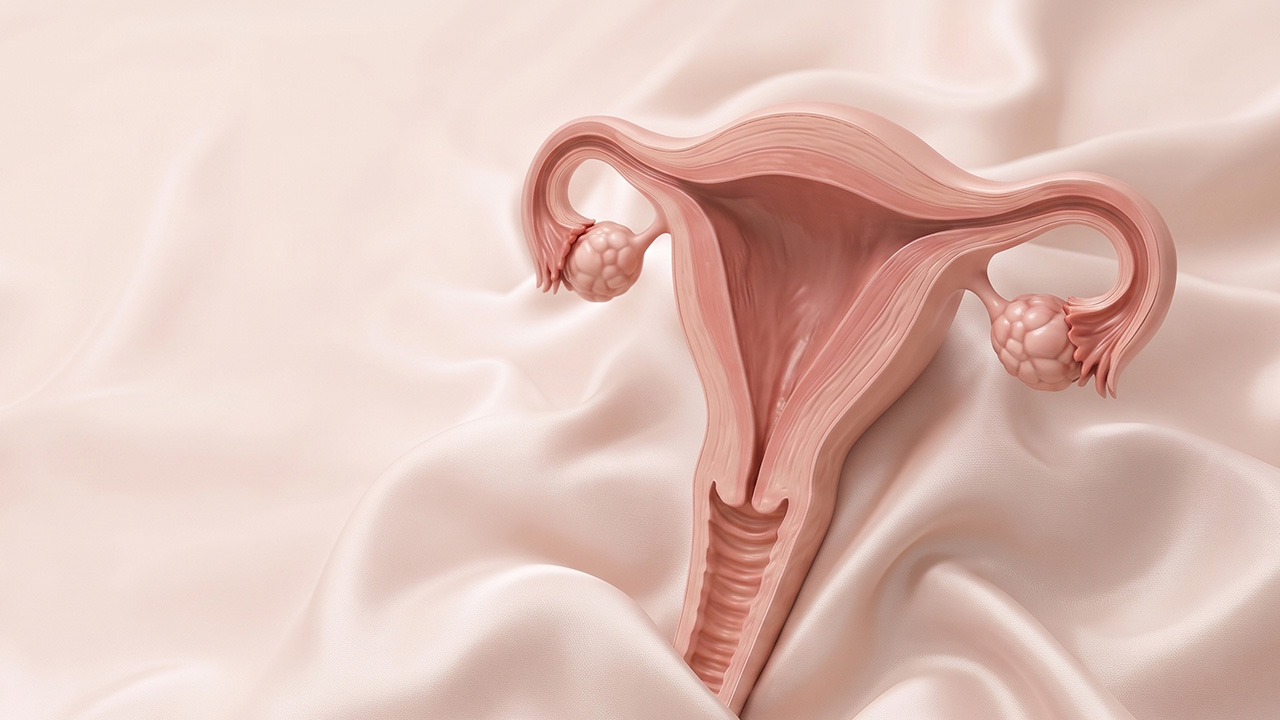
Outpatient Hysteroscopy: A Gentle Examination of the Uterine Cavity Without Hospitalisation
Has your gynaecologist recommended a hysteroscopy? You may be concerned about what the examination involves, whether it will be painful, or whether you will need to stay in hospital. Outpatient hysteroscopy is a quick, minimally invasive procedure that allows the doctor to examine the uterine cavity in detail and, if necessary, perform a minor procedure or take a tissue sample during the same appointment.
At IVF Zlín Clinic, we perform hysteroscopy on an outpatient basis – without the need for hospitalisation and often without general anaesthesia.
What Is Hysteroscopy?
Hysteroscopy is a gynaecological procedure in which a doctor uses a very thin optical instrument, called a hysteroscope, to examine the inside of the uterine cavity.
The hysteroscope is inserted through the vagina and cervix, meaning that no incisions are required. During the examination, the doctor views images of the uterine cavity on a monitor, allowing for a detailed assessment of its condition.
One of the main advantages of hysteroscopy is that it not only helps identify the causes of certain gynaecological problems but, in some cases, also allows the doctor to take a tissue sample or treat minor abnormalities during the same procedure.
When Might Your Gynaecologist Recommend Hysteroscopy?
Hysteroscopy can help investigate a wide range of gynaecological concerns. It may be recommended in cases of:
- Heavy or irregular menstrual bleeding,
- Bleeding between periods,
- Bleeding after menopause,
- Suspected polyps in the uterine cavity,
- Certain types of uterine fibroids,
- Unclear findings during an ultrasound examination,
- Recurrent miscarriages,
- Difficulty conceiving,
- The need to collect a sample of the uterine lining (endometrium).
Every patient’s situation is different. The decision to perform a hysteroscopy is therefore always made by a doctor based on your symptoms, medical history and previous examination results.
How Is Outpatient Hysteroscopy Performed?
The procedure itself usually takes just a few minutes.
The doctor gently inserts a thin hysteroscope through the vagina and cervix into the uterine cavity. Images are transmitted to a monitor, allowing the doctor to examine the inside of the uterus with great precision.
If an abnormality is identified during the examination and it is appropriate to do so, the doctor may take a tissue sample for further analysis or perform a minor procedure during the same appointment.
No Unnecessary Hospital Stay
One of the main benefits of outpatient hysteroscopy is that there is no need to stay in hospital. The procedure often does not require general anaesthesia or standard preoperative examinations.
After a short period of rest, you can usually return home.
Is Hysteroscopy Painful?
Every woman experiences the procedure differently. During the examination, you may feel pressure, discomfort or cramping similar to menstrual pain.
For this reason, we do not describe hysteroscopy as a “painless” procedure. The aim of outpatient hysteroscopy is to make the examination as gentle, quick and minimally stressful for the patient as possible.
If you are worried about the procedure, please discuss your concerns with your doctor beforehand. They will explain each step and answer any questions you may have.
What Are the Benefits of Outpatient Hysteroscopy?
The main advantages include:
- A short procedure time,
- Direct visualisation of the uterine cavity,
- The possibility of taking a tissue sample or performing a minor procedure during the same appointment,
- Often no need for general anaesthesia,
- No hospitalisation required,
- A quick return to everyday activities.
Have You Been Referred by Your Gynaecologist?
If your gynaecologist has recommended a hysteroscopy, or if you are experiencing gynaecological problems that may require this examination, you can book an appointment at our clinic in Zlín.
Book Your Hysteroscopy Appointment
Tel.: +420 606 045 182
Our goal is to ensure that you know exactly what to expect before your examination, so you can undergo the procedure feeling as comfortable, informed and reassured as possible.